
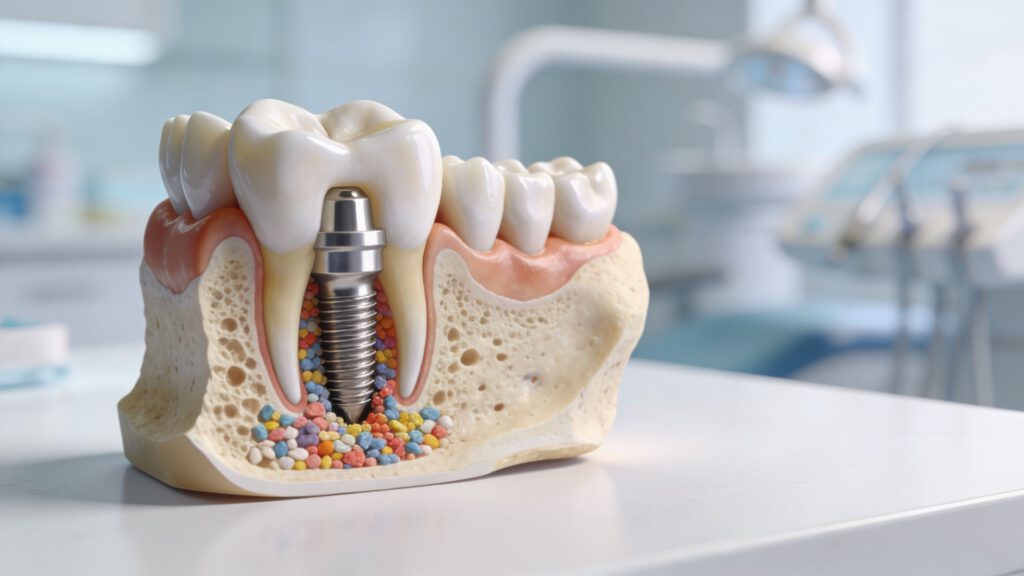
Why Jawbone Condition Matters When Planning Dental Implant Treatment?
Dental implants are a permanent and reliable solution to replace lost teeth. But there’s more to the therapy than simply the implant. The state of the jaw bone is one of the most essential elements considered in treatment planning. The size, mass and overall health of the bone may influence both the treatment method and the predicted outcome, as the bone is what provides stability for the implant. Dentists normally suggest Sydney Dental Implants after they have thoroughly examined the jawbone to see if it is capable of supporting an implant. Learning why this review is necessary will help patients have realistic objectives and understand why implant care may be varied from person to person. The Jawbone Acts As The Implant Foundation A dental implant is generally placed into the jawbone to replace the root of a lost tooth. Osseointegration is the biological process of the bone surrounding the implant gently bonding to the surface of the implant. This serves to provide the bone adequate stability to support a new tooth. Osseointegration requires that there be sufficient healthy bone around the implant. If the bone is too thin or too short or significantly broken down, then placing an implant without any extra surgery may not give adequate support. This is why simply placing an implant in the space where a tooth used to be isn’t enough for implant design. You need to see what’s beneath the gum. Tooth Loss Can Change The Jawbone Chewing and biting stimulate the jawbone at the roots of your natural teeth. Less stimulation occurs in the region of the tooth when it is missing. The bone might steadily get shorter and thinner. Other people have a lot of bone change; others have less. Factors that might affect the state of the jaw include how long the tooth has been missing, infections, gum disease, trauma and overall health of the mouth. If you are seeking Sydney Dental Implants just after you lost a tooth, then your treatment may be different from someone who lost teeth for a long period. This makes the evaluation of each individual extremely crucial. Bone Volume Influences Implant Placement You need to have enough bone surrounding your dental implants. The quantity of bone available may alter the size, position, and angulation of an implant and even the whole treatment plan. And today’s imaging technology allows dentists to see the jaw in much greater detail. Three-dimensional scans may be used to measure the size of bones and to locate nearby structures in the body such as nerves and entrances to sinuses. Based on this information, a conclusion may be reached that the best choice is to install a simple implant, or that further treatments may have to be explored before placing the implant. When Bone Grafting May Be Considered That doesn’t imply you can’t obtain dental implants if you have inadequate bone density. In certain circumstances, bone grafting may be used to augment the quantity of bone available at the chosen implant site. Bone grafting is the procedure of applying the proper kind of grafting material to a region that requires more support. Then, depending on the scenario, the region is allowed to heal and expand either before or after the implant is placed. The quantity of patching that is done might vary a great deal. A minor defect may only need little filling, but a larger loss of bone may make the treatment procedure take longer and be more challenging. So, if you’re considering Sydney Dental Implants, you should realise that the time of your treatment might depend on how healthy your bones are already. Bone Quality Matters Along With Quantity One element of the exam is having adequate bone. Bone quality and density also matter. Distinct areas of the jaw naturally have distinct characteristics. Denser bone may provide better initial support for the implant, while weaker bone may need modifications to the operation or healing period. Dentists consider these distinctions when attaching a restoration to an implant. The person’s healing abilities and the health of his or her mouth are also crucial. This means that two persons with comparable lost tooth replacement needs may be given different treatment recommendations. Gum Health Also Supports The Treatment Plan Although the condition of the jawbone is vital, designing a successful implant includes looking at the whole mouth. Healthy gums help preserve the tissues surrounding an implant, but untreated gum disease may destroy the structures that keep the implant in place. You may have to have any existing dental issues repaired before you can obtain dental implants. Also, a patient is required to have good oral health after treatment since implants also need regular care like natural teeth. Smoking, certain medical diseases, poor oral hygiene, and prior gum disease may also be considered throughout the planning phase. A comprehensive examination might help uncover potential issues before therapy begins. Careful Planning Creates A More Personalised Approach Not everyone’s dental implants procedure has to be the same. The whole assessment gives the treatment plan with the individual’s physique, missing teeth, bone health, oral health, and functional demands. Those considering Sydney Dental Implants need to know how healthy their jawbone is to make an educated treatment decision. Imaging and clinical examinations may assist in establishing if enough bone exists for implant placement and whether pre-implant therapy would be advantageous. Conclusion Dental implants are anchored into the jawbone for strength. The location of the implant, its stability, the rate of healing and the duration of the entire process may all be influenced by adequate bone volume, density and health. A comprehensive checkup is essential before placing an implant, as tooth loss may affect the jawbone over time. If you don’t have adequate bone volume, there are a number of techniques that may assist in developing a better foundation, including bone filling. Using the jawbone, gum health, and other personal criteria, dentists may create a treatment plan for each patient that is specific to their own individual circumstances and